
Safaris in Africa Tanzania
BOOK YOUR SAFARI NOW
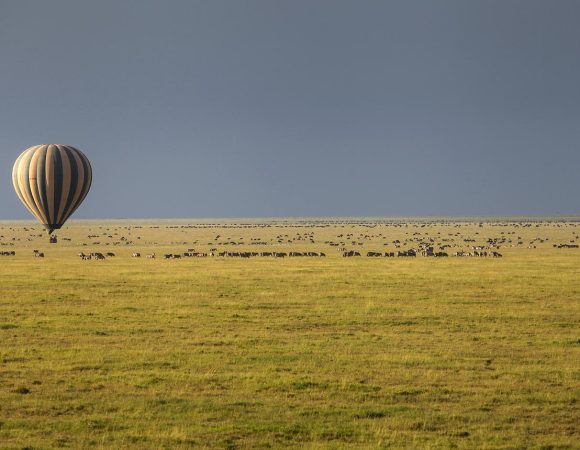
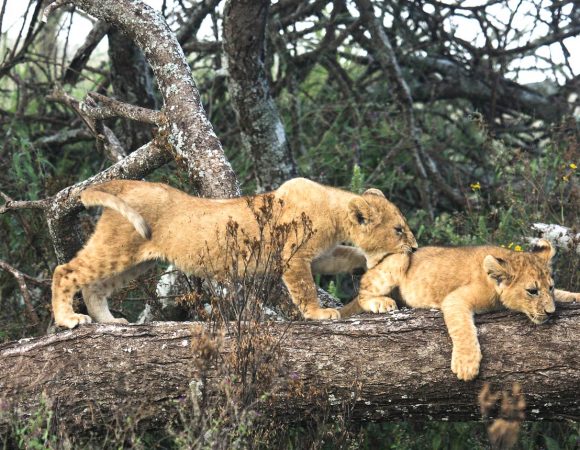
Discover unforgettable Safaris in Africa Tanzania. Northern Lagoon Travels is a locally owned Tanzania safari company driven by a deep passion for adventure and a commitment to delivering high-quality, personalized service. With extensive expertise and unmatched experience in organizing all types of Tanzania safaris, we offer more than just a trip we provide an unforgettable journey into the heart of Africa.
Our safaris offer a rich and authentic glimpse into Tanzania’s stunning landscapes, iconic wildlife, vibrant cultures, and deep-rooted heritage. What sets us apart is our team: a group of passionate locals, born and raised in Tanzania, who understand the land intimately and are dedicated to crafting premium safari experiences from a genuine, local perspective. This natural connection to our country allows us to go beyond the ordinary giving travelers an immersive, meaningful, and truly unforgettable safari adventure.
Fast Booking
Allows travelers to quickly reserve a Tanzania safari by selecting their preferred package, dates, and options
Safety and Security
Professional guides, well-maintained vehicles, and adherence to international safety standards throughout the journey.
Best Price
Access to competitive rates for your safaris, offering exceptional value without compromising the quality of their experience.
High Quality & Comfort
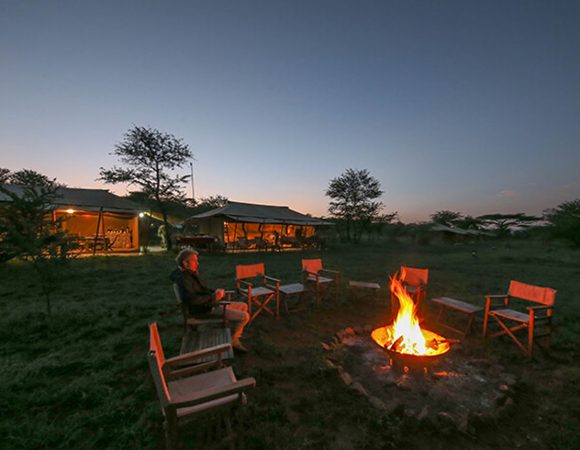
Offering premium accommodations, expertly guided tours, and seamless travel arrangements for maximum relaxation and enjoyment.
Start your Tanzania Safari Today
Talk to a Tanzania Safari Expert
POPULAR SAFARIS IN AFRICA TANZANIA
- Quality4.67
- Location5
- Amenities4.33
- Services5
- Price4
7-Day Great Migration Safari in Serengeti and Ngorongoro
- Quality4.67
- Location5
- Amenities4.33
- Services5
- Price4
9-Day Best of Tanzania Safari
- Quality4.67
- Location5
- Amenities4.33
- Services5
- Price4
6-Day Northern Circuit Safari
Hiking Tours
Beyond our incredible Safaris in Africa Tanzania, we also offer unforgettable hiking and trekking adventures. They are the best way to experience the wonders of the stunning mountainous areas of Tanzania and to absorb the wonderful nature and beautiful views. Whether you set foot on the summits of Tanzania’s highest mountains or just walk through the lush forests on the lower slopes for a few hours trekking in this country offers something for everyone.
GROUP TOURS AND SAFARIS
Wildlife Group Safaris 2025
No posts found!
WHEN TO GO ON A TANZANIA SAFARI
Weather: Warm and dry, with temperatures ranging from 20°C to 30°C (68°F to 86°F).
Destinations: Serengeti National Park, Ngorongoro Crater.
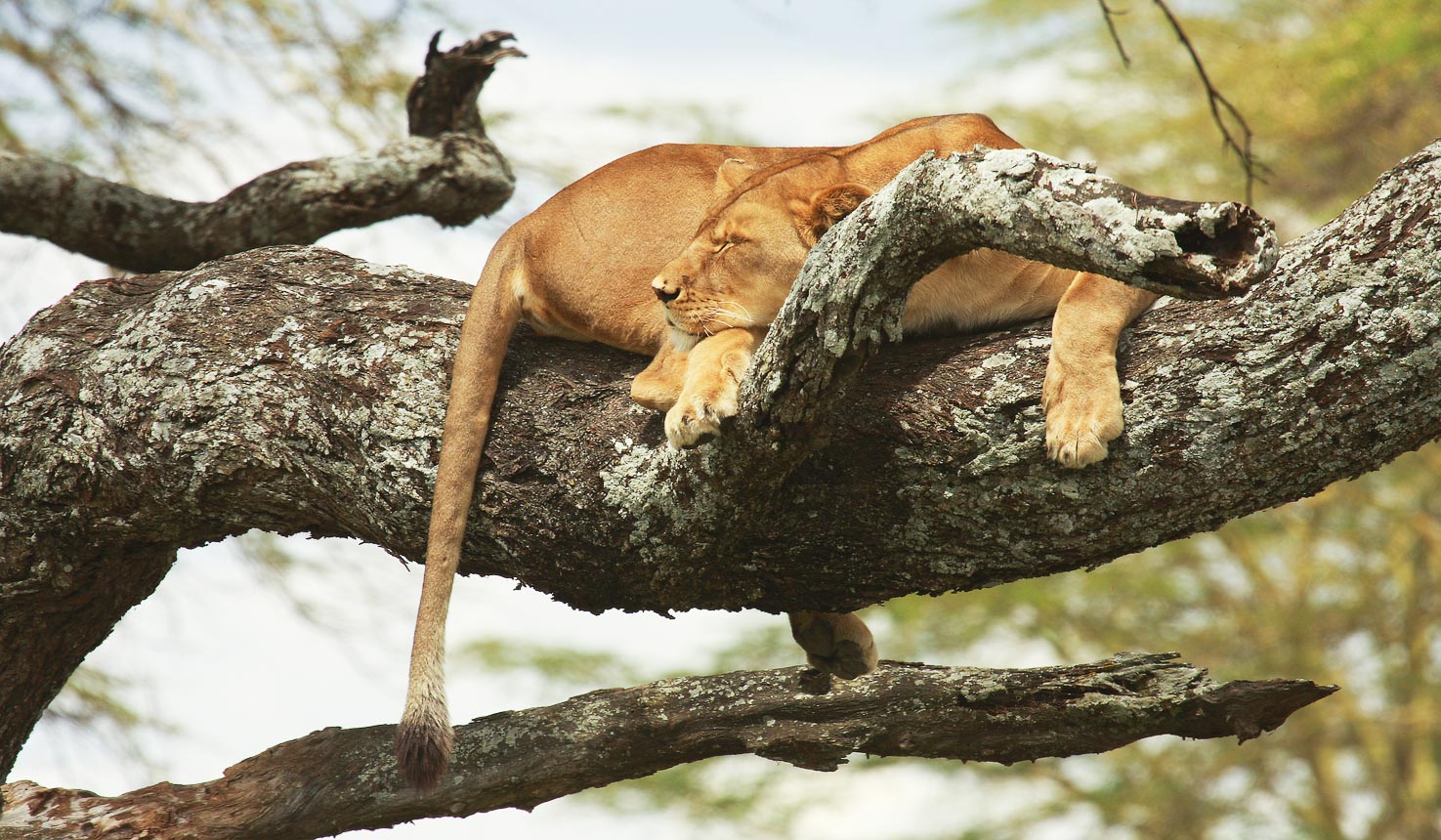
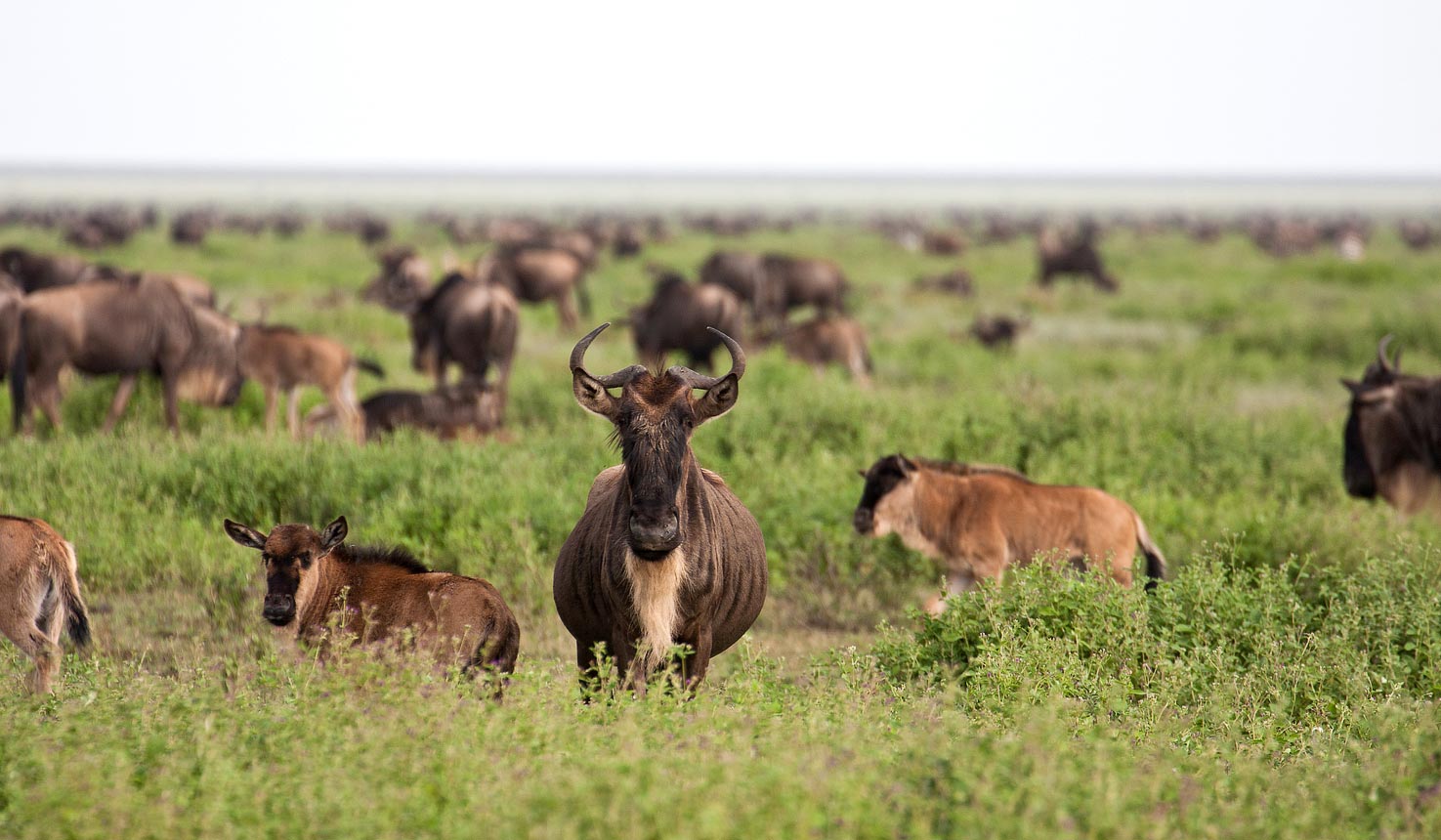
Wildlife Events: This month marks the calving season for wildebeest and zebras in the southern Serengeti. Thousands of young animals are born, attracting predators like lions and hyenas, making it an exciting time for wildlife viewing.
Activities: Visitors can engage in wildlife safaris to witness the dramatic interactions between predators and their prey. Bird watching is also excellent, as many migratory birds are present. The Ngorongoro Crater offers stunning views and diverse wildlife, including the Big Five.
Weather: Continues to be warm and dry, similar to January.
Destinations: Serengeti National Park.
Wildlife Events: The calving season continues, providing opportunities to see newborn animals and their mothers. Predators are particularly active during this time, making for thrilling safari experiences.
Activities: Game drives are popular, allowing visitors to observe the dynamics of predator-prey relationships. Photography enthusiasts will find this month ideal for capturing the vibrant landscapes and wildlife interactions.
Weather: Warm with occasional rains; temperatures remain stable.
Destinations: Serengeti National Park, Ngorongoro Crater.
Wildlife Events: As the rains begin, the herds start to migrate northward, transforming the Serengeti into a lush paradise. This is a transitional period where the landscape becomes vibrant and green.
Activities: Safari tours during this time offer unique opportunities for photography, as the scenery is stunning. Visitors can also explore the Ngorongoro Crater, which is rich in wildlife and offers breathtaking views.
Weather: Characterized by heavy rains; warm temperatures persist.
Destinations: Ruinsori Mountains, Lake Manyara.
Wildlife Events: The rains create a lush environment, attracting migratory birds and enhancing the beauty of the landscapes. While wildlife may be more dispersed, the vibrant scenery is a highlight.
Activities: This is a quieter time for tourism, making it ideal for those seeking solitude. Hiking in the Ruinsori Mountains and exploring the diverse ecosystems of Lake Manyara are excellent options for adventurous travelers.
Weather: Continued rains; warm temperatures.
Destinations: Selous Game Reserve, Udzungwa Mountains.
Wildlife Events: Wildlife is more dispersed due to the rains, but the lush landscapes provide a beautiful backdrop for exploration. Migratory birds are abundant, making it a great time for birdwatching.
Activities: Walking safaris in Selous offer a unique perspective on Tanzania’s wildlife, while hiking in the Udzungwa Mountains allows visitors to experience the region’s biodiversity and stunning views.
Weather: Start of the dry season; cooler temperatures (15°C to 25°C or 59°F to 77°F).
Destinations: Mount Kilimanjaro, Serengeti National Park.
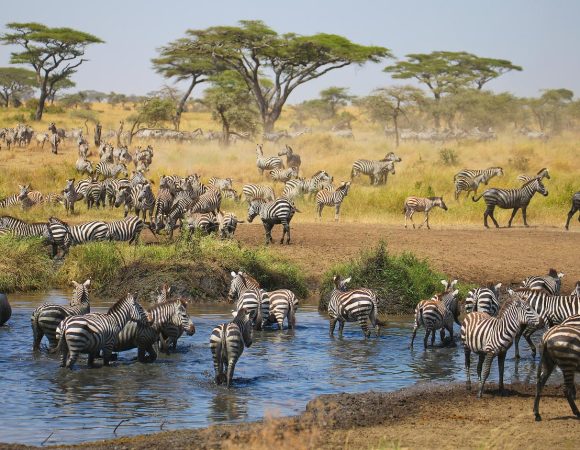
Wildlife Events: As the dry season begins, animals congregate around water sources, making wildlife viewing more predictable and exciting.
Activities: Climbing Mount Kilimanjaro is popular during this time, with clear skies and favorable trekking conditions. Wildlife safaris in the Serengeti are also rewarding, as animals become more active in the drier conditions.
Weather: Dry and cool; temperatures remain stable.
Destinations: Serengeti National Park, Ngorongoro Crater.
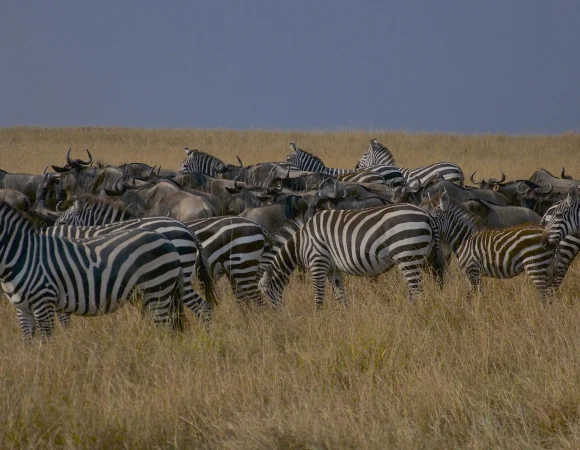
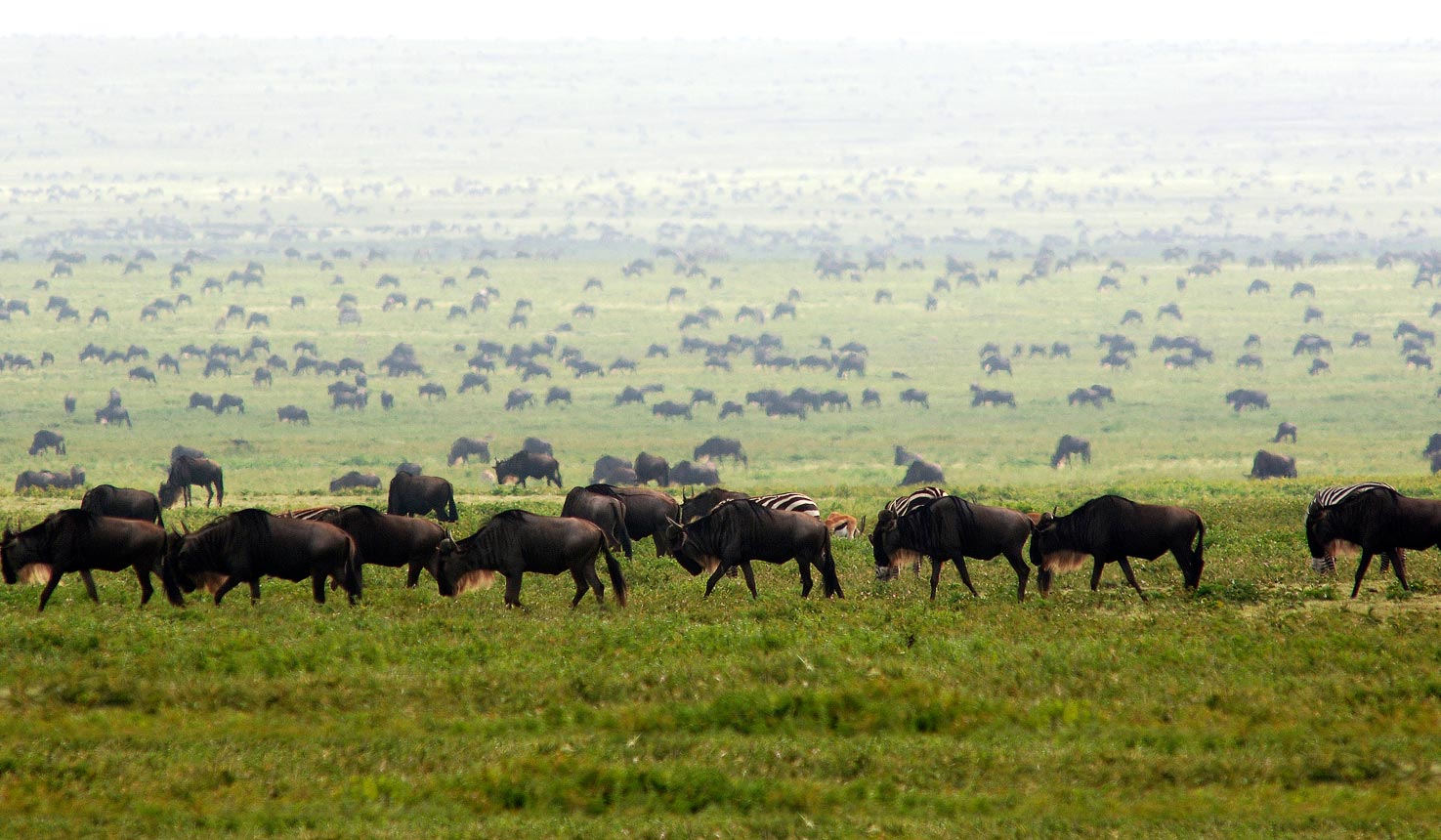
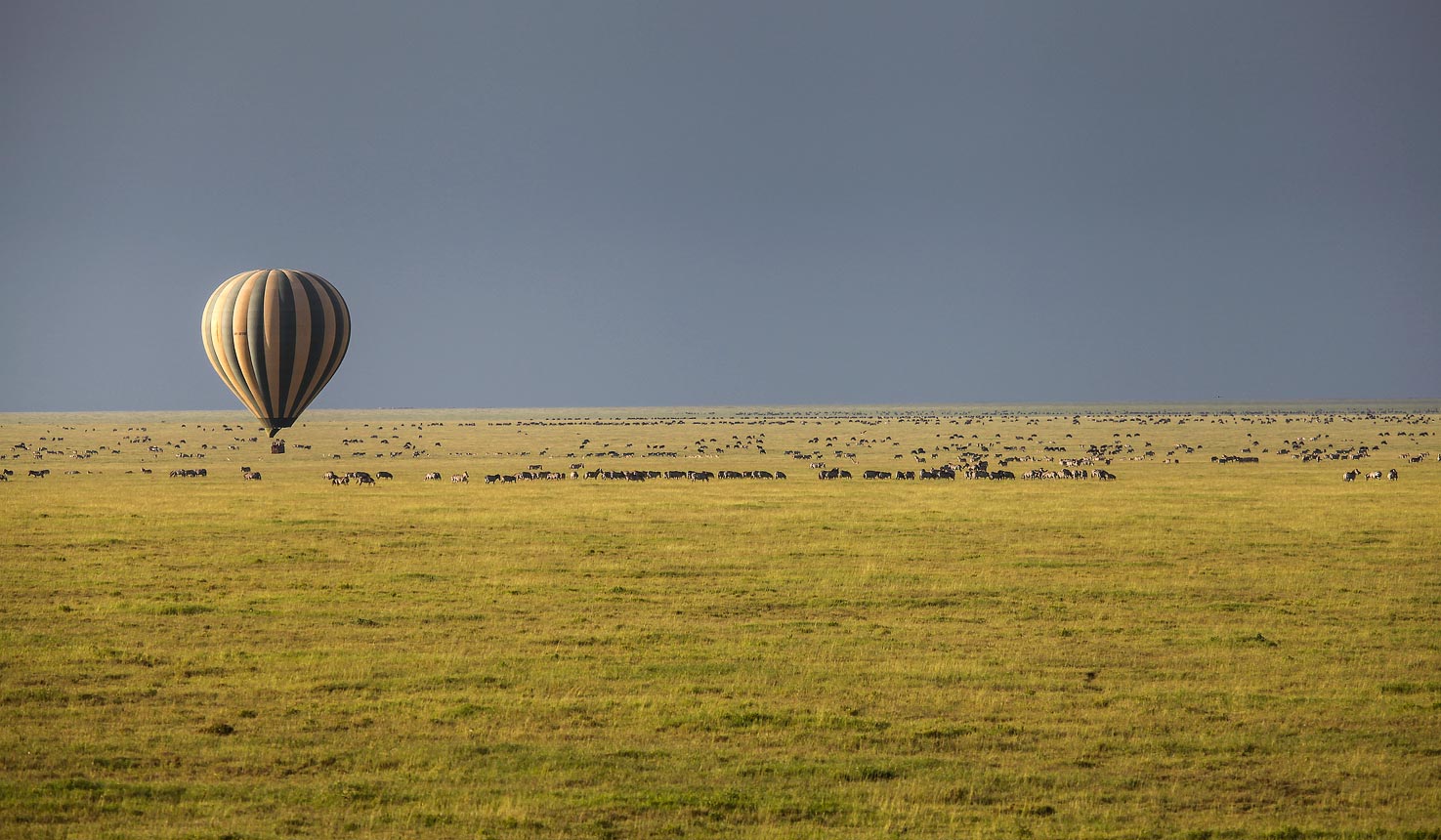
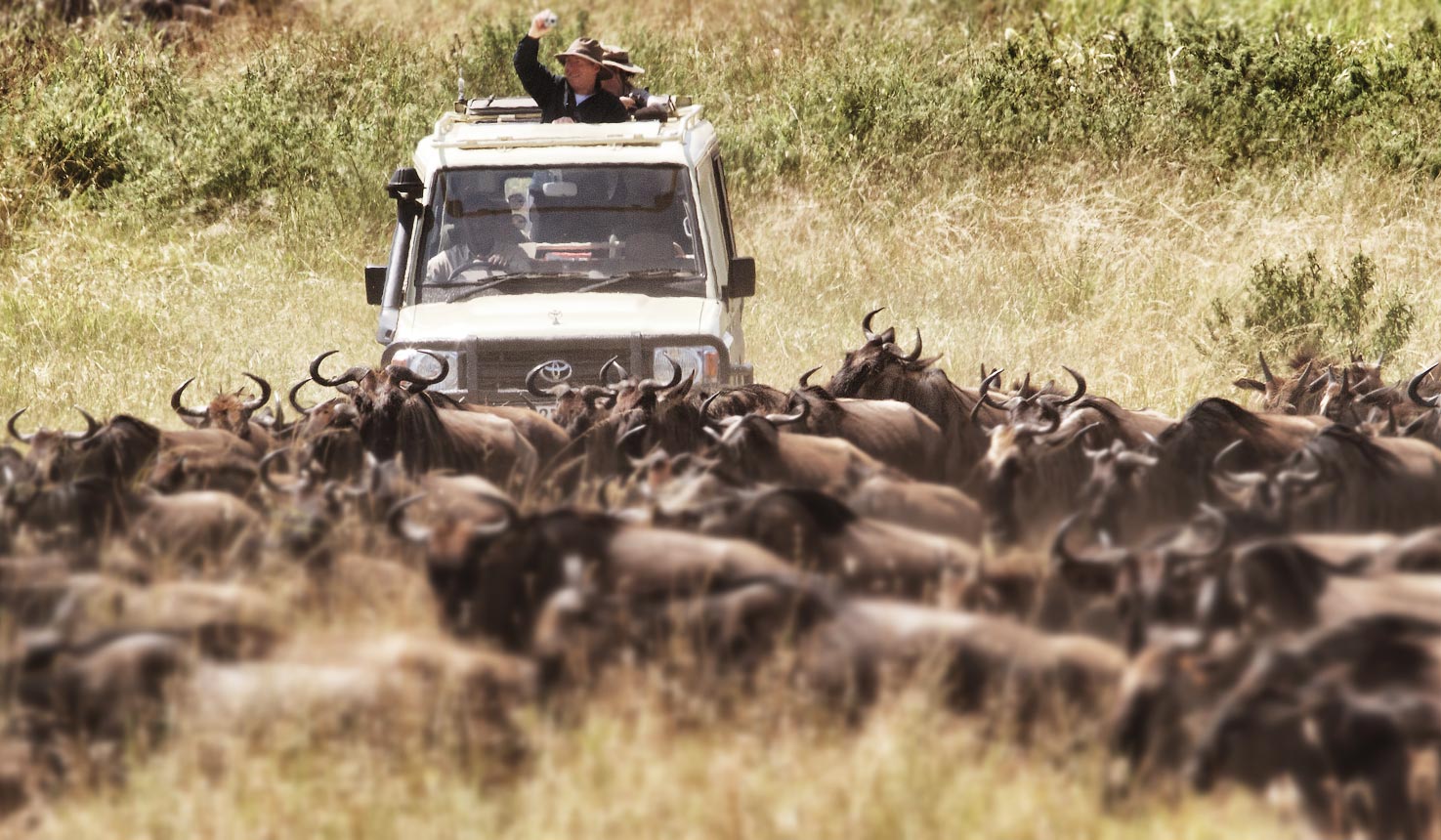
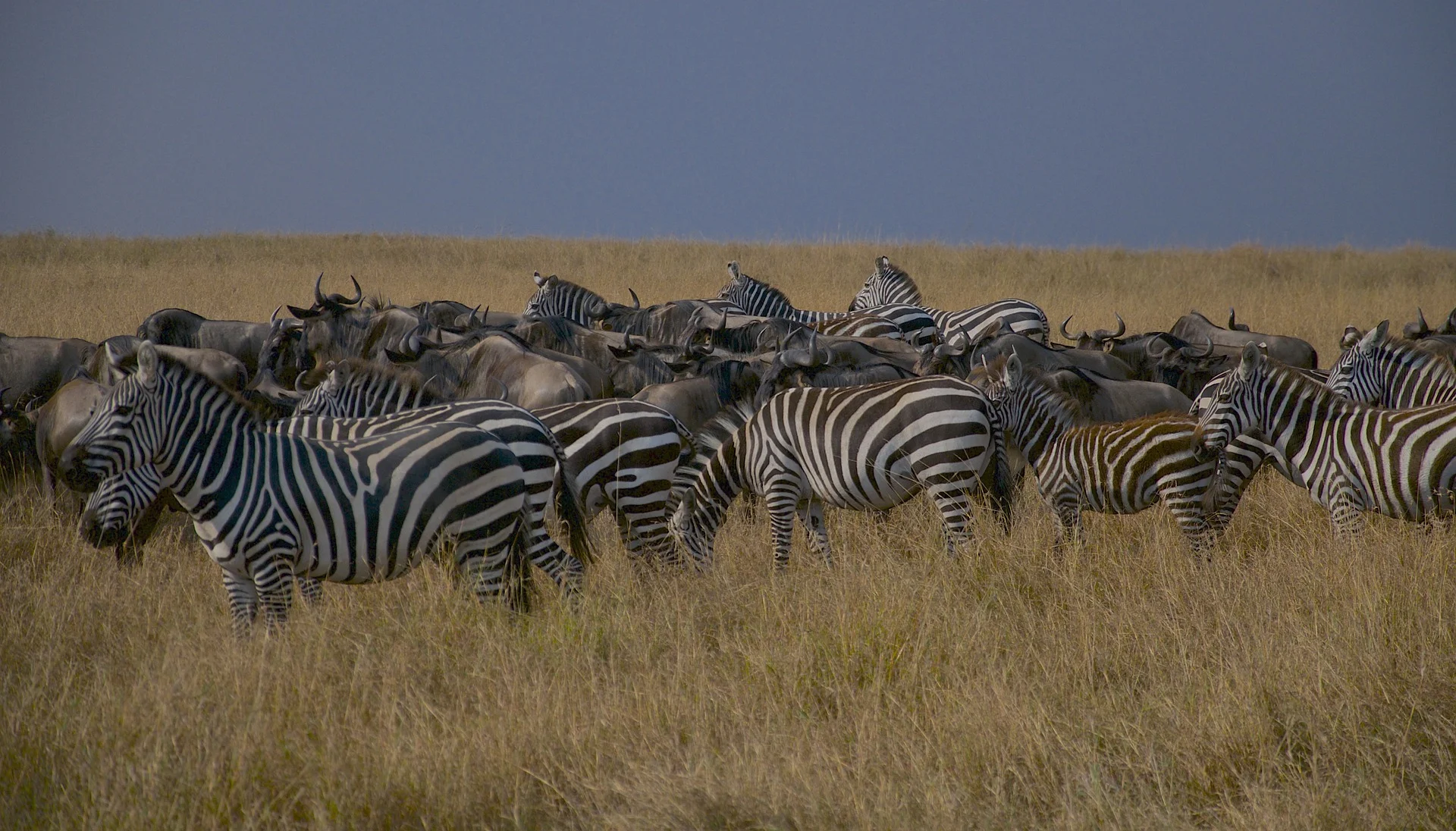
Wildlife Events: The Great Migration reaches its peak, with dramatic river crossings as wildebeest and zebras navigate crocodile-infested waters. This is one of the most thrilling times to witness wildlife in action.
Activities: Visitors can witness the spectacular river crossings and enjoy game drives in the Serengeti. The Ngorongoro Crater offers a unique ecosystem and abundant wildlife, making it a must-visit destination.
Weather: Similar to July; dry and cool.
Destinations: Serengeti National Park, Selous Game Reserve.
Wildlife Events: The migration continues, with large herds of wildebeest and zebras present in the northern Serengeti. This is a prime time for wildlife enthusiasts to observe the interactions between predators and prey.
Activities: Safari tours to see the migration are highly recommended. Walking safaris in Selous provide a different perspective on Tanzania’s wildlife and landscapes, allowing for close encounters with nature.
Weather: Dry and cool; stable temperatures.
Destinations: Serengeti National Park, Ngorongoro Crater.
Wildlife Events: The migration winds down as herds start to move back south, providing excellent opportunities for wildlife viewing. Animals are concentrated around water sources, making them easier to spot.
Activities: Game drives during this month are particularly rewarding, as visitors can see a variety of wildlife. The Ngorongoro Crater remains a highlight, with its unique ecosystem and diverse wildlife.
Weather: Warmer temperatures return (20°C to 30°C or 68°F to 86°F).
Destinations: Serengeti National Park, Lake Manyara.
Wildlife Events: The migration is winding down, and animals become more spread out across the Serengeti. This month is ideal for those looking to experience the beauty of Tanzania without the peak season crowds.
Activities: Wildlife safaris and scenic views of Lake Manyara are popular. The lake is known for its diverse birdlife and stunning landscapes, making it a great spot for photography and relaxation.
Weather: Start of the short rains; warm temperatures.
Destinations: Serengeti National Park, Tarangire National Park.
Wildlife Events: Migratory birds return, making it an excellent time for birdwatching. The landscapes become lush and vibrant, enhancing the beauty of the parks.
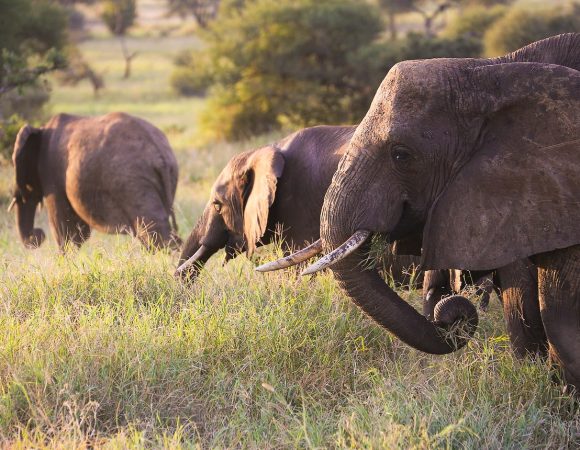
Activities: Visitors can explore the diverse wildlife in Tarangire, known for its large elephant herds and unique baobab trees. This is a great time for photography and enjoying the natural beauty of Tanzania.
Weather: Short rains end; warm and vibrant landscapes.
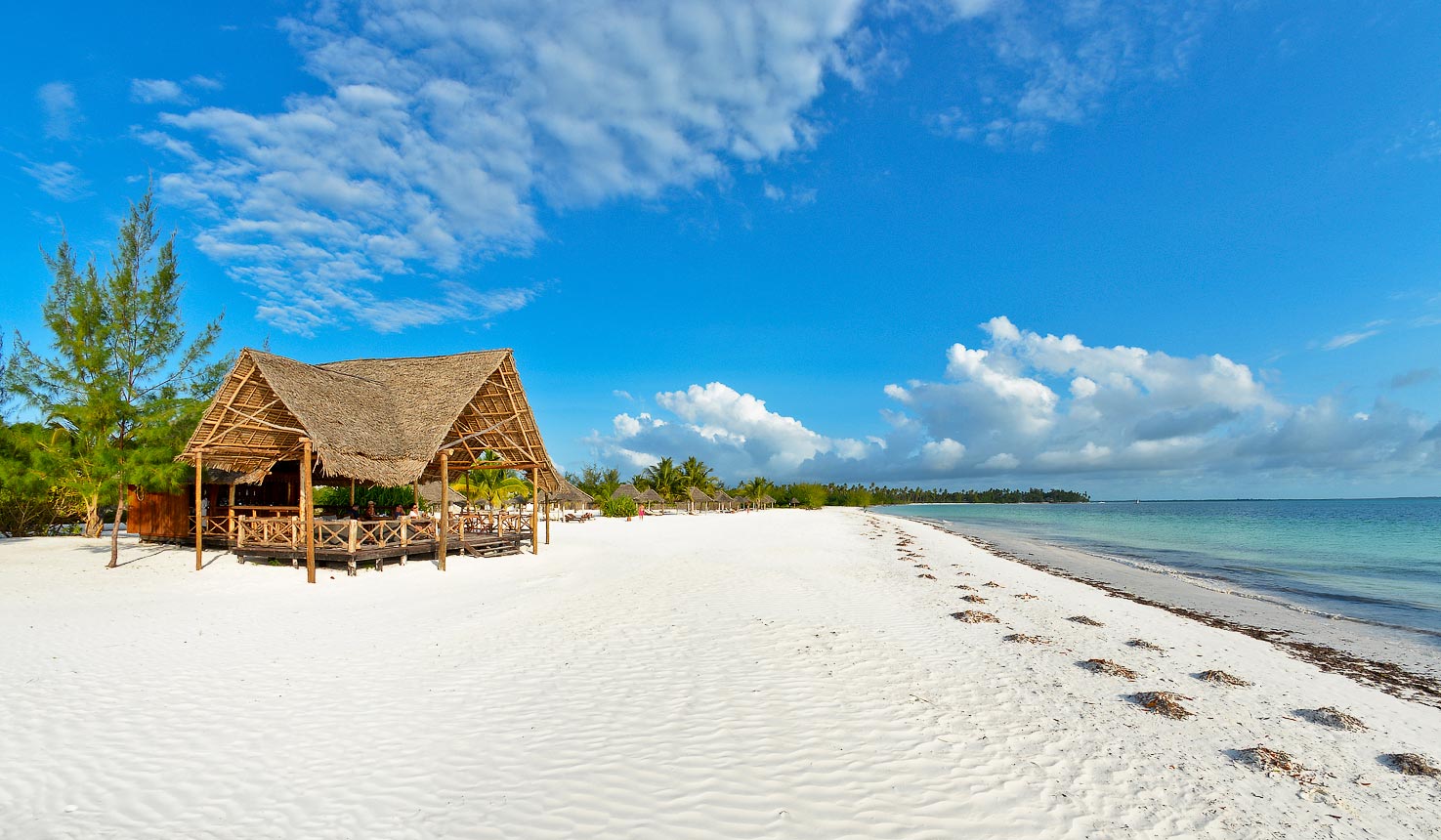
Destinations: Zanzibar, Pemba Island.
Wildlife Events: The lush scenery and great weather make this an ideal time for beach activities. The islands are known for their stunning beaches and rich cultural experiences.
Activities: Relaxing on the beaches, snorkeling, and diving are popular activities. Visitors can also explore the local culture and history, making for a well-rounded travel experience.
ARTICLES & TIPS
Hotels & Lodges in Moshi Town
Hidden Gems in Tanzania
Mount Kilimanjaro Top Hiking Routes
Mount Kilimanjaro Hiking Tips
Mount Meru forest
What to Wear on a Safari in Africa
NicoHad a really good time Had an amazing time in the plains of serengeti, our guide was superb, he new absolutely everything and he'd explain it with clarity and experience. Food was amazing, accommodation was on point. Northern Lagoon Travels is the best!Tripadvisor
Verified
Onesmo MSimply the best experience Had an amazing experience on our trip to Serengeti Park, a friendly guide who took us through all the hot spots. City tour in Moshi with Noela was super amazing, I will surely miss TanzaniaTripadvisor
Verified
OliverWe had an amazing experience We had such an amazing experience with Wol,their staff are top proffesionals, but first and foremost amazing human beings.I'd reccomend Wol to anyone visiting TanzaniaTripadvisor
Verified
Frequently Asked Questions
When is the best time to go on a Tanzania safari?
Dry seasons (June–October and December–February) are ideal for wildlife viewing. The Great Migration in the Serengeti peaks June–July (river crossings) and January–February (calving season). Avoid heavy rains in April–May.
Do I need a visa for Tanzania?
Most travelers require a visa, available on arrival or via e-visa (apply online in advance). Costs range from 50–50–100 depending on nationality. Read more about Tanzania Visa requirements or Check on gov website here.
What vaccinations are required?
Yellow fever (mandatory if arriving from a risk country), COVID-19, hepatitis A/B, typhoid, and malaria prophylaxis. Consult your doctor 6–8 weeks before travel.
How much does a Tanzania safari cost?
- Budget safaris start at 200–300/day (camping), mid-range 400–600/day (lodges), and luxury 800+/day
Costs vary with season, accommodation, and park fees.
What type of accommodation is available?
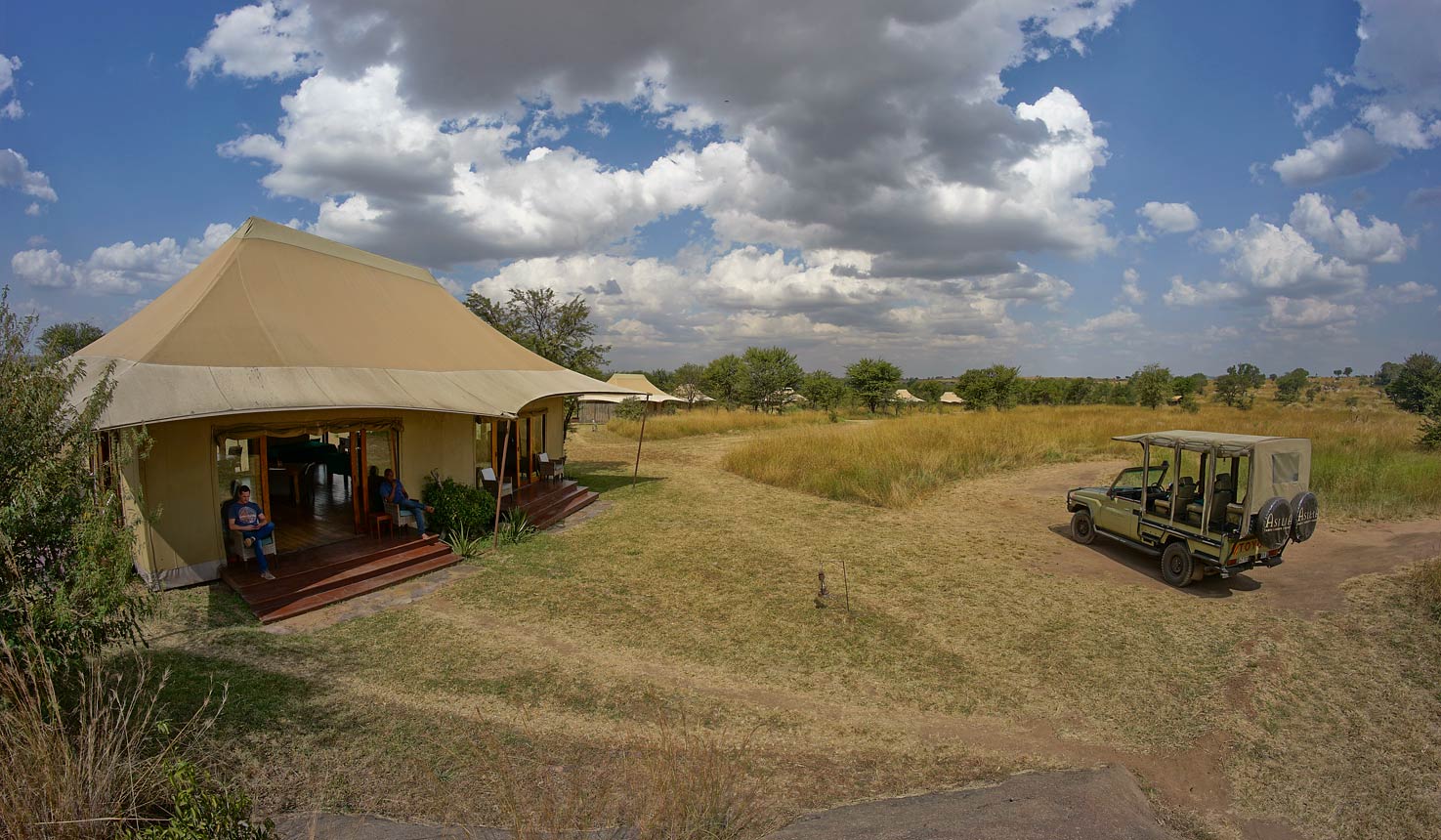
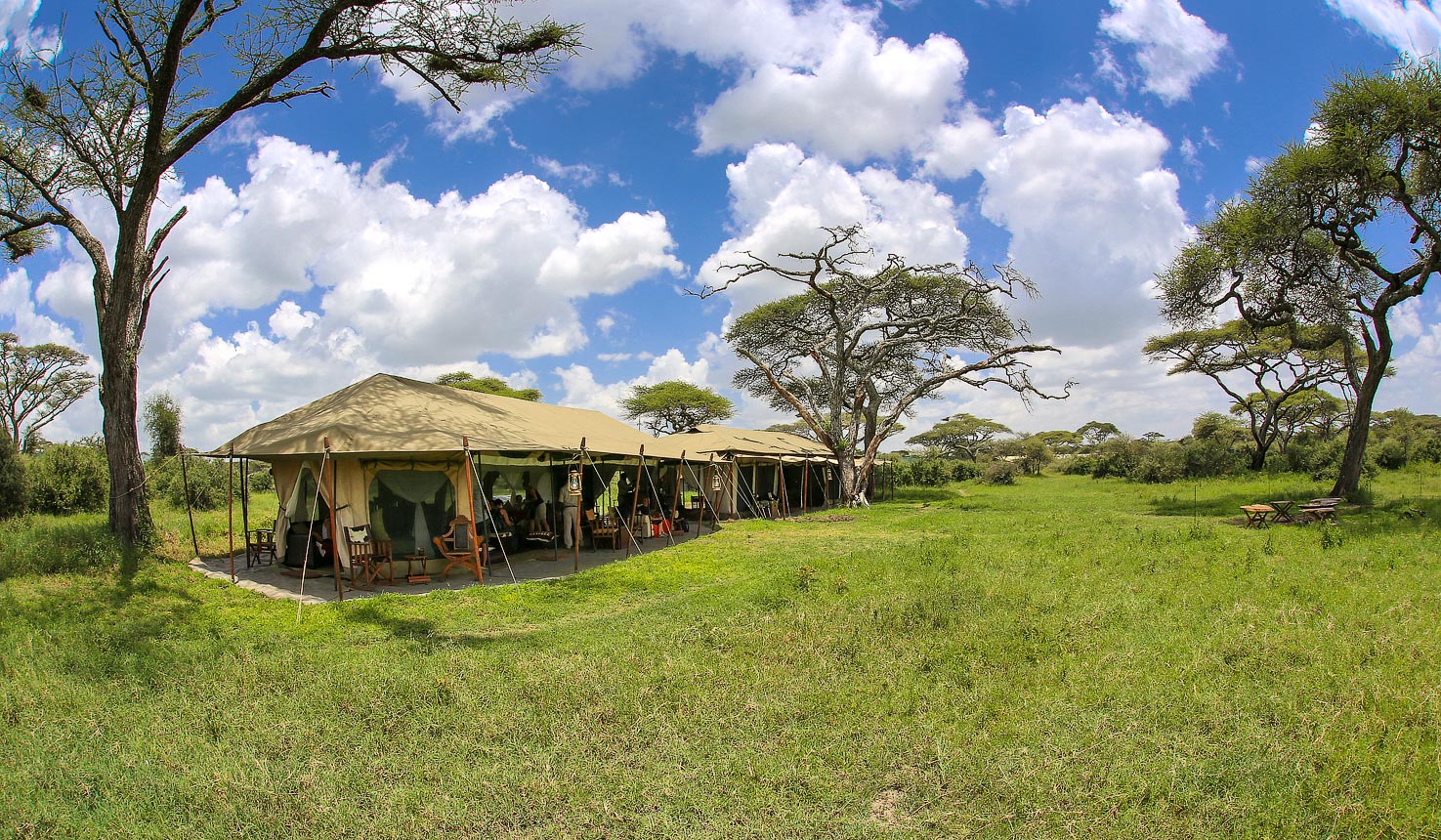
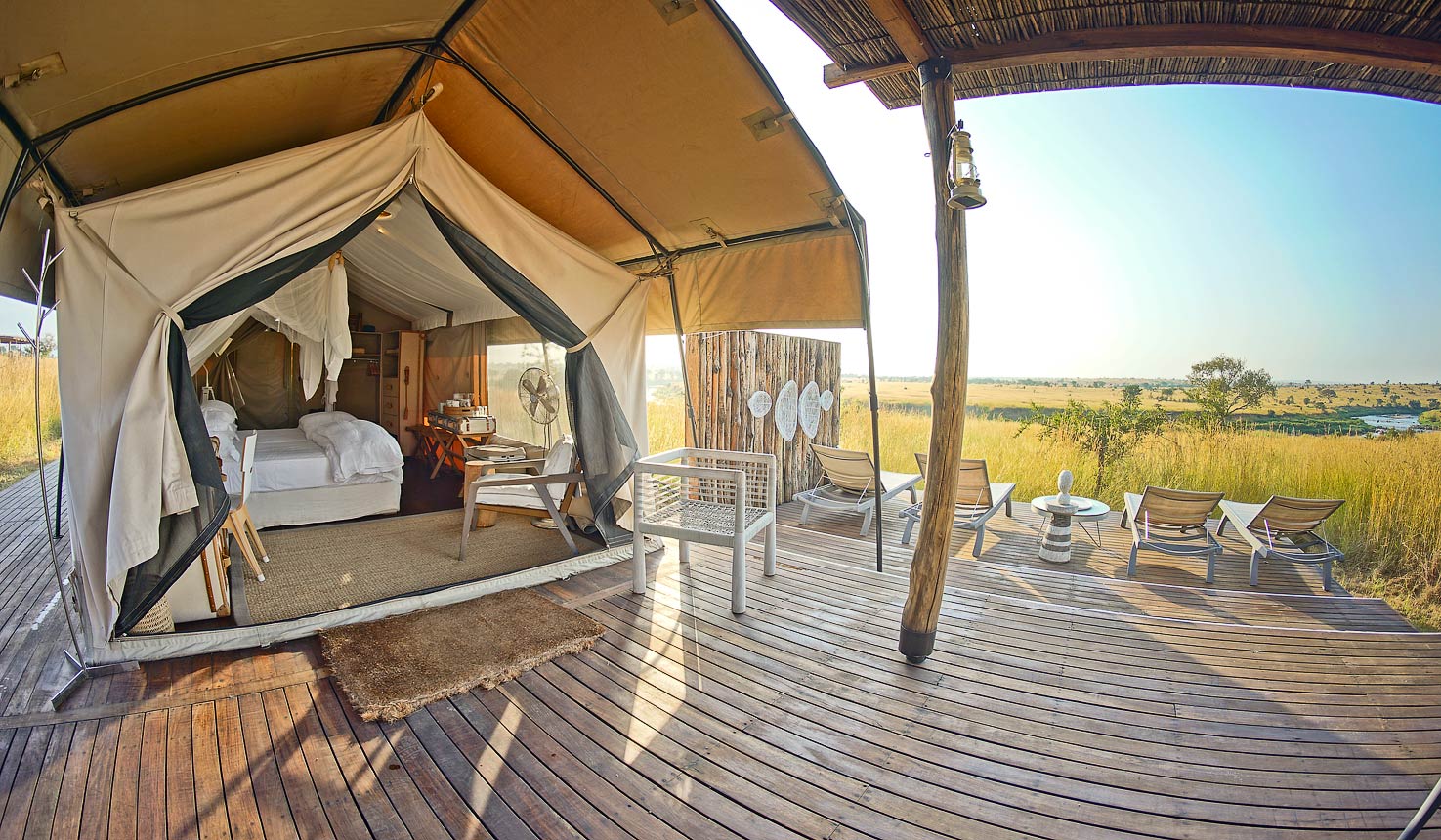
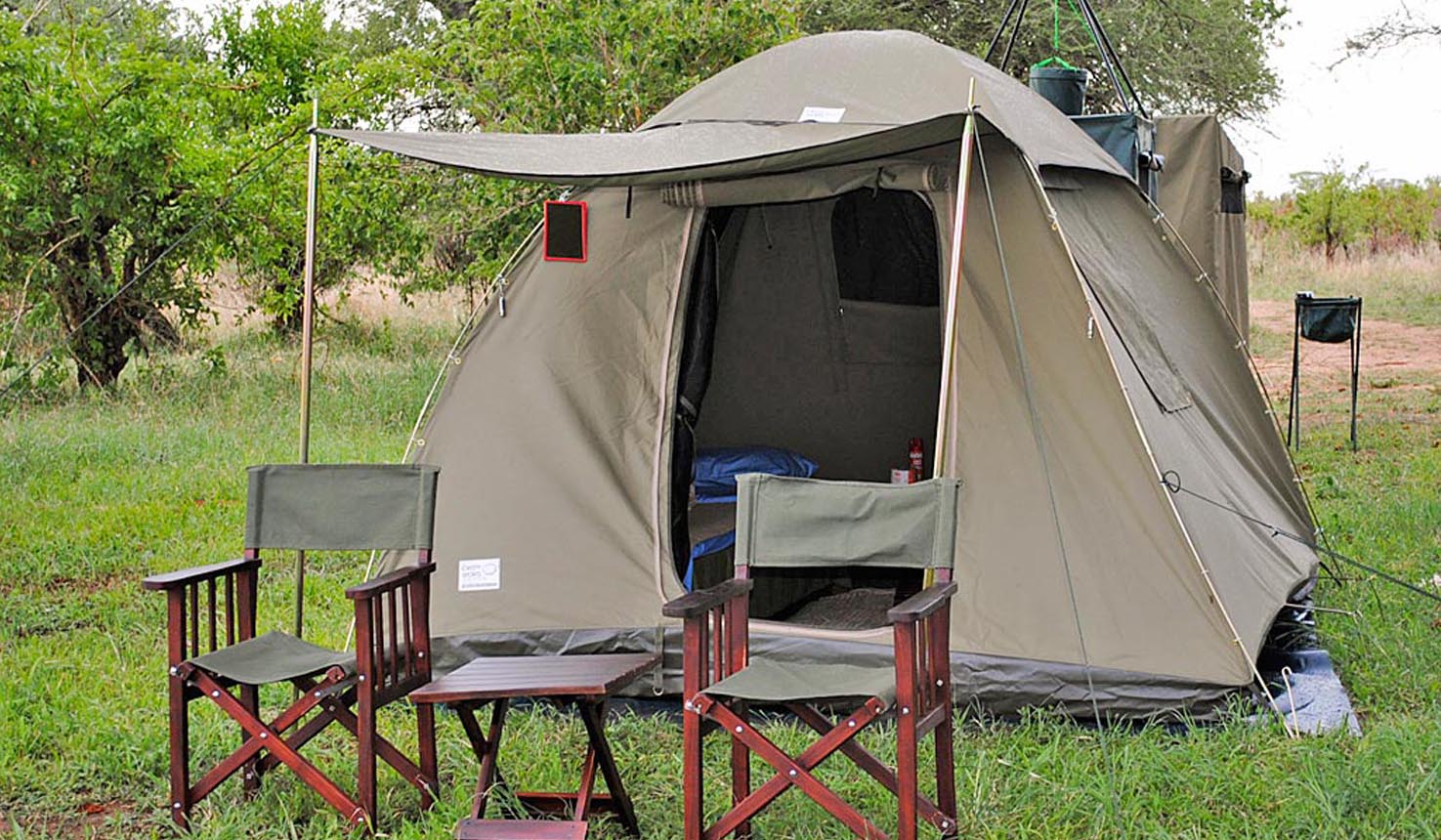
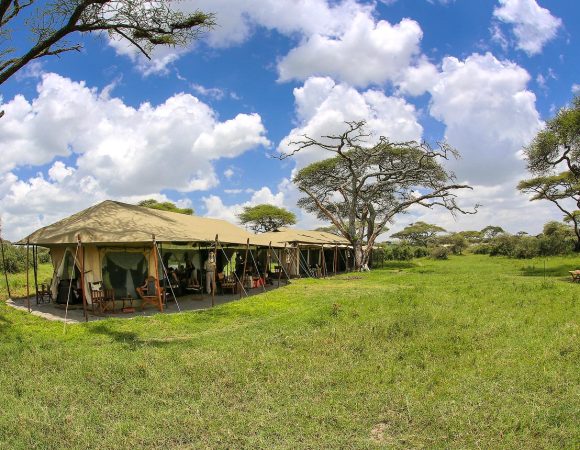
Options range from luxury lodges and tented camps to budget camping. Unique stays include treehouses (Tarangire) or mobile camps following the Great Migration. Most are family-friendly.
What should I pack for a safari?
Neutral-colored clothing, sturdy shoes, binoculars, sunscreen, a hat, reusable water bottle, and power bank. Avoid bright colors (they scare wildlife) and single-use plastics (banned in Tanzania). read more on What to wear for an African Safari
Can I combine a safari with Zanzibar?
Yes! Many travelers add a 3–4-day Zanzibar beach extension. Flights from Arusha/Serengeti to Zanzibar take 1–2 hours. Ideal for relaxation after safari.
The Information You Need About Africa
Africa is not one place, and that's the first thing worth getting straight before anything else. It's 54 countries, over 2,000 languages, and a landmass big enough to fit the United States, China, India, and most of Europe inside it with room to spare. So "information about Africa" is a bit like asking for "information about Earth" technically answerable, practically enormous. What follows is the version of that answer aimed at someone planning to actually go, not just someone writing a school report.
Start with the map, not the stereotype
Most first-time visitors carry around a mental image of Africa that's basically one country: savanna, elephants, maybe a desert. In reality you're choosing between wildly different trips.
- East Africa (Tanzania, Kenya, Uganda, Rwanda) is where most people picture safaris — the Serengeti, the Great Migration, Kilimanjaro, gorilla trekking.
- Southern Africa (South Africa, Namibia, Botswana, Zimbabwe) mixes safari with world-class wine regions, dramatic coastlines, and some of the best self-drive road-tripping on the continent.
- North Africa (Morocco, Egypt, Tunisia) is closer to the Middle East and Mediterranean in culture and history — think deserts, ancient ruins, and medinas rather than wildlife.
- West Africa (Ghana, Senegal, Nigeria) has deep musical and historical roots, including major sites tied to the transatlantic slave trade, and is far less set up for tourism than East or Southern Africa.
If someone tells you they're "going to Africa" without naming a country, ask which one the logistics, cost, and experience differ more than "going to Europe" without naming a country.
When to go depends entirely on what you want to see
There's no single "best season" for the whole continent, but a few patterns matter a lot if wildlife is the goal:
- June to October is the dry season across most of East and Southern Africa — animals cluster around water sources, making game viewing easier, and it's also when the wildebeest migration is typically crossing the Serengeti and Maasai Mara.
- December to March is calving season in the southern Serengeti — huge numbers of newborn wildebeest, and correspondingly more predator activity.
- The long rains (roughly March–May in East Africa) are the quiet, cheap, lush season. Some camps close, but the landscape is at its greenest and prices drop noticeably.
Kilimanjaro has its own separate weather logic — the clearest summit conditions are typically January to March and June to October, which is why those windows get busy on the mountain even in the rainy months for game parks.
Money, visas, and the paperwork nobody enjoys
This varies enormously by country, so treat this as a checklist to verify per-destination rather than a universal rule:
- Many East African countries (Tanzania, Kenya) offer e-visas or visa-on-arrival for a large number of nationalities, usually costing $50–$100.
- Yellow fever vaccination proof is required by several countries if you're arriving from — or have transited through — a country with yellow fever risk. Check this before you fly, not at the airport.
- US dollars are widely accepted for safari payments and park fees across East Africa, but bills need to be newer than 2009 and undamaged, or they'll be refused.
- Tipping is expected on safari — guides and camp staff typically depend on it as a real part of their income, not just a nice gesture.
Safety is a real question, and it's a local one, not a continental one
This is where the stereotype does the most damage. Treating "is Africa safe" as one question is like asking "is America safe" and expecting a single yes-or-no to cover both a national park and a specific city block at 2 a.m. Safari circuits in Tanzania, Kenya, Rwanda, and Botswana are visited by millions of tourists a year without incident, precisely because the areas set up for tourism are low-risk by design. The actual homework is destination-specific: check your government's travel advisories for the specific country and region, not the continent.
Getting there and getting around
Long-haul flights into major hubs (Nairobi, Addis Ababa, Johannesburg, Kilimanjaro International) are the norm, often followed by a smaller domestic or charter flight to reach a park or lodge. Distances between parks are frequently larger than they look on a map — a "quick hop" between two Tanzanian parks can be a 4-6 hour drive on rough roads, which is why fly-in safaris exist as a category, not just a luxury upsell.
The one thing worth remembering
Whatever specific plan you're building — a week in the Serengeti, a Kilimanjaro climb, a Cape Town road trip — the continent rewards specificity. The traveler who researches one country deeply has a better trip than the one who tries to generically prepare for "Africa." If you tell me the actual country and the actual month, I can get a lot more useful than this.